Mission accomplished – tree planting holiday 2026

The mission? To plant just over 800 native trees at Rameka on this September conservation vacation. The result? Success!  

It was a great week, with awesome Golden Bay weather and working alongside 30 just-as-awesome volunteers. The native trees that went in the ground are going to look fantastic in a few years’ time (a darn sight better than the barberry they are replacing).
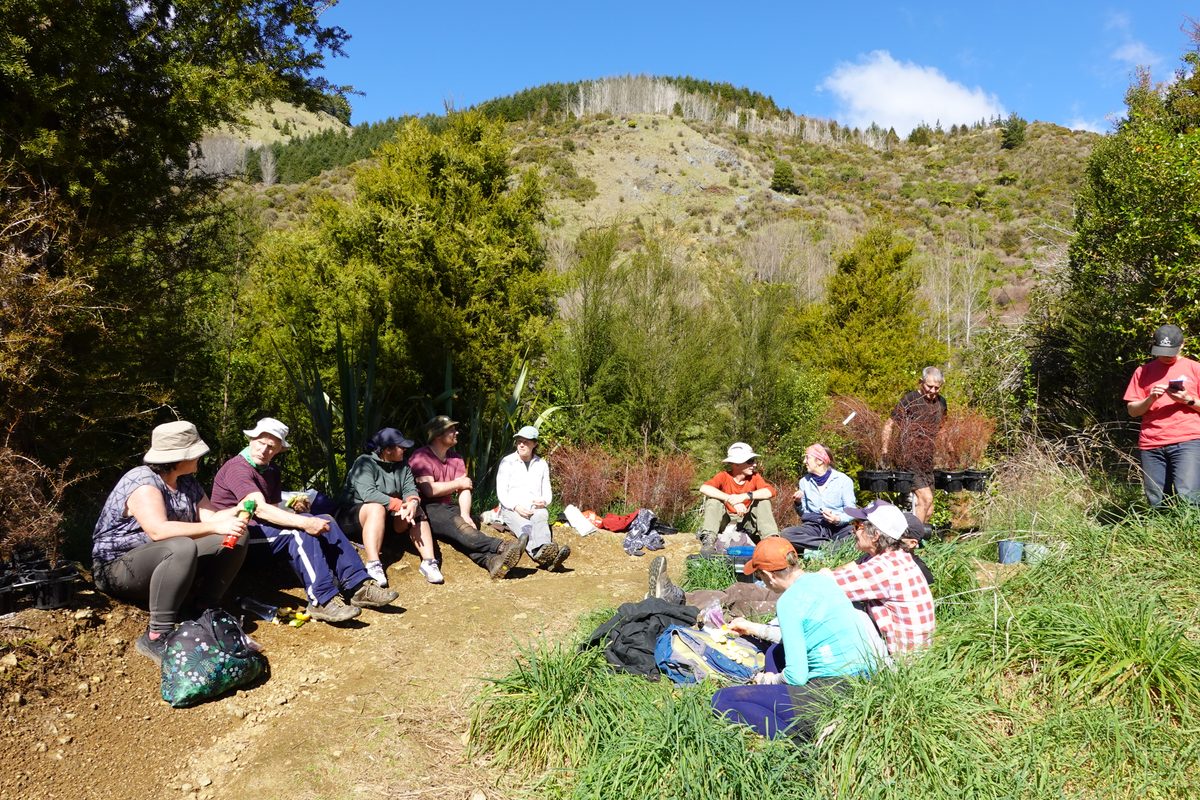
400 trees went in the ground on day 1, thanks to Murray, Corrine, Richard, Nicole, Sam Erina, Perrine, Bruce, Sonja, Liz, Brett, Helen, Mark, Glenda, Tony, Ray, Ann-Louise, John, Phil, Bronnie and Jonathan.
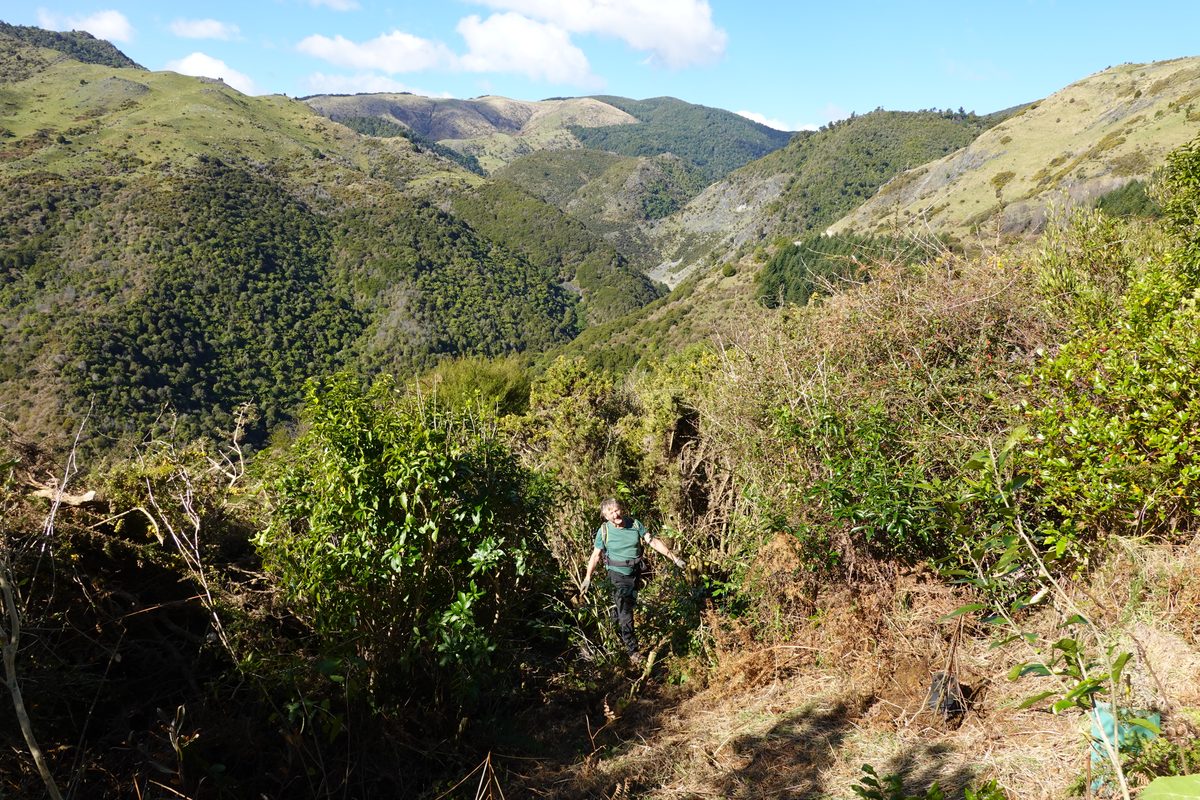
On day 2, Chris Stone and 20 other people carefully planted native trees in area cleared of gorse and barberry by Murray Drake, with help from others, including Richard Mansfield who always loves a wrestle with some old-man barberry.
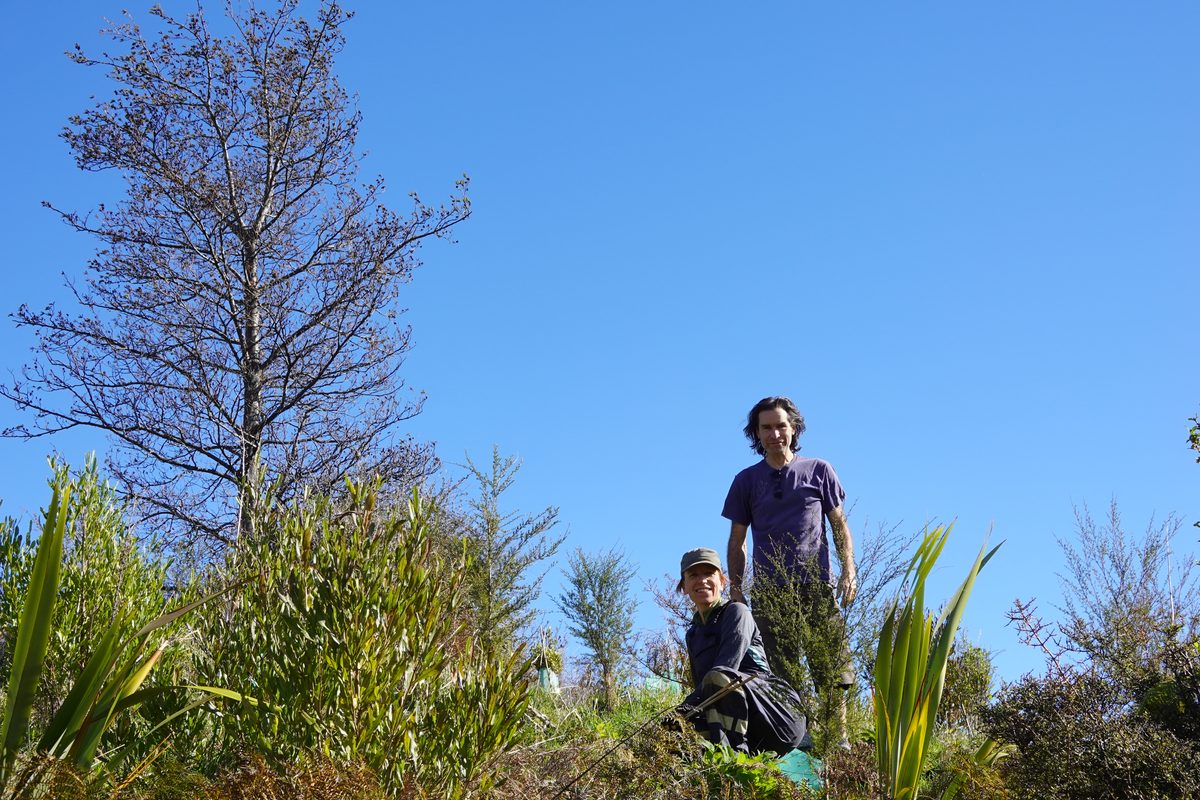
Nicole and Richard revisited a previous planting on ‘The Knoll’ to weed the trees and plant more in any remaining gaps.
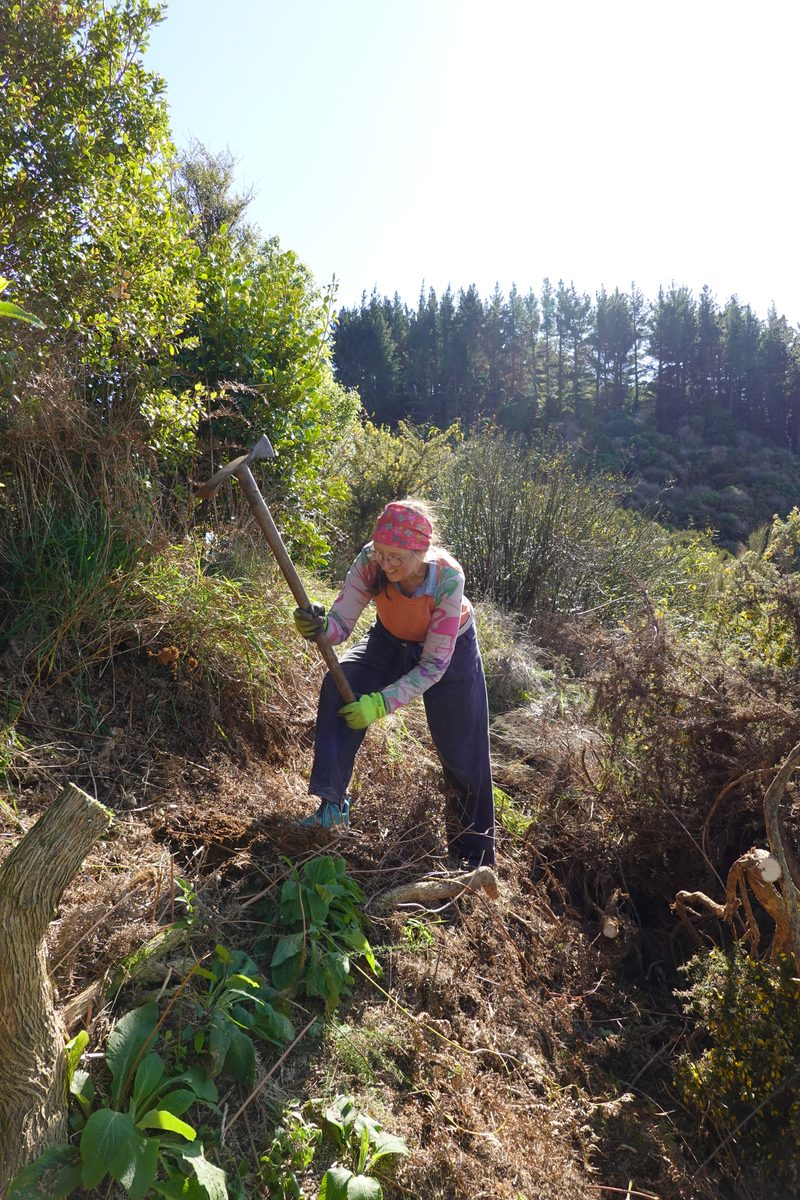
Rameka trustee Bronnie Wall hard at work planting trees near beside driveway.
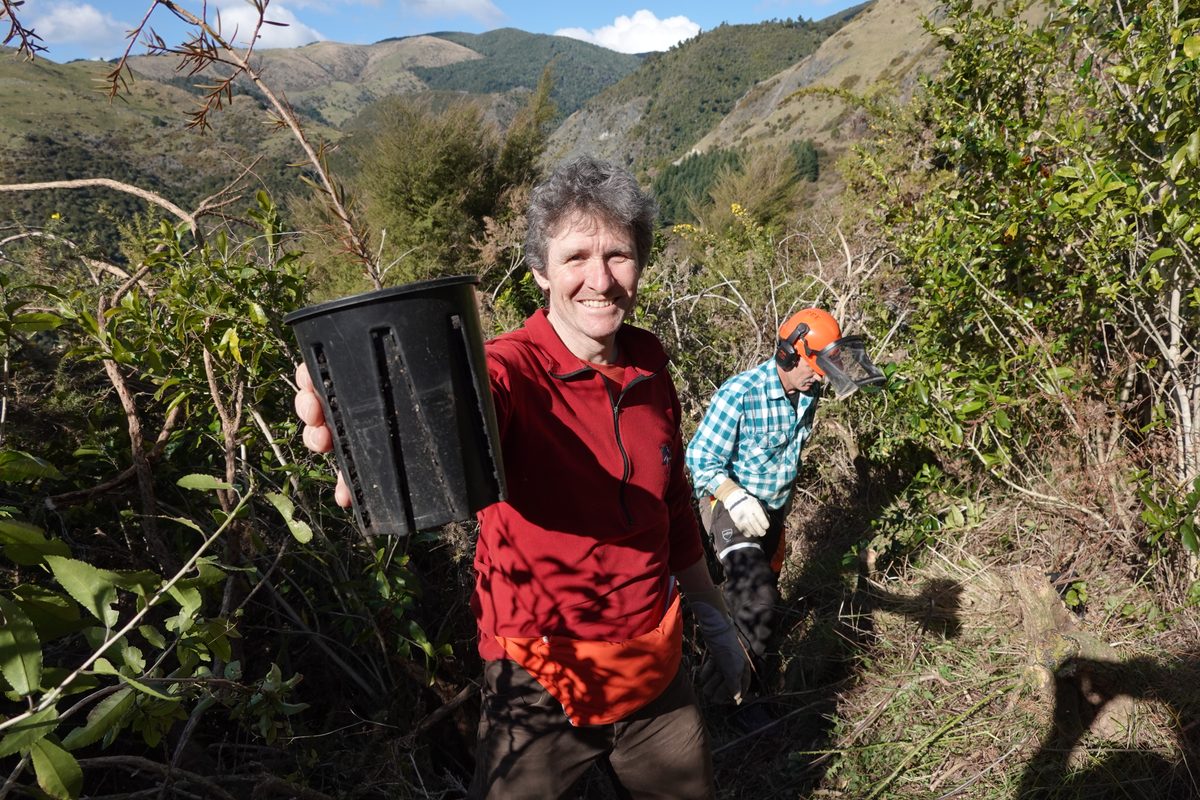
Jonathan Kennett and Murray Drake got stuck into the forest restoration business (planting native trees and attacking gorse and barberry).
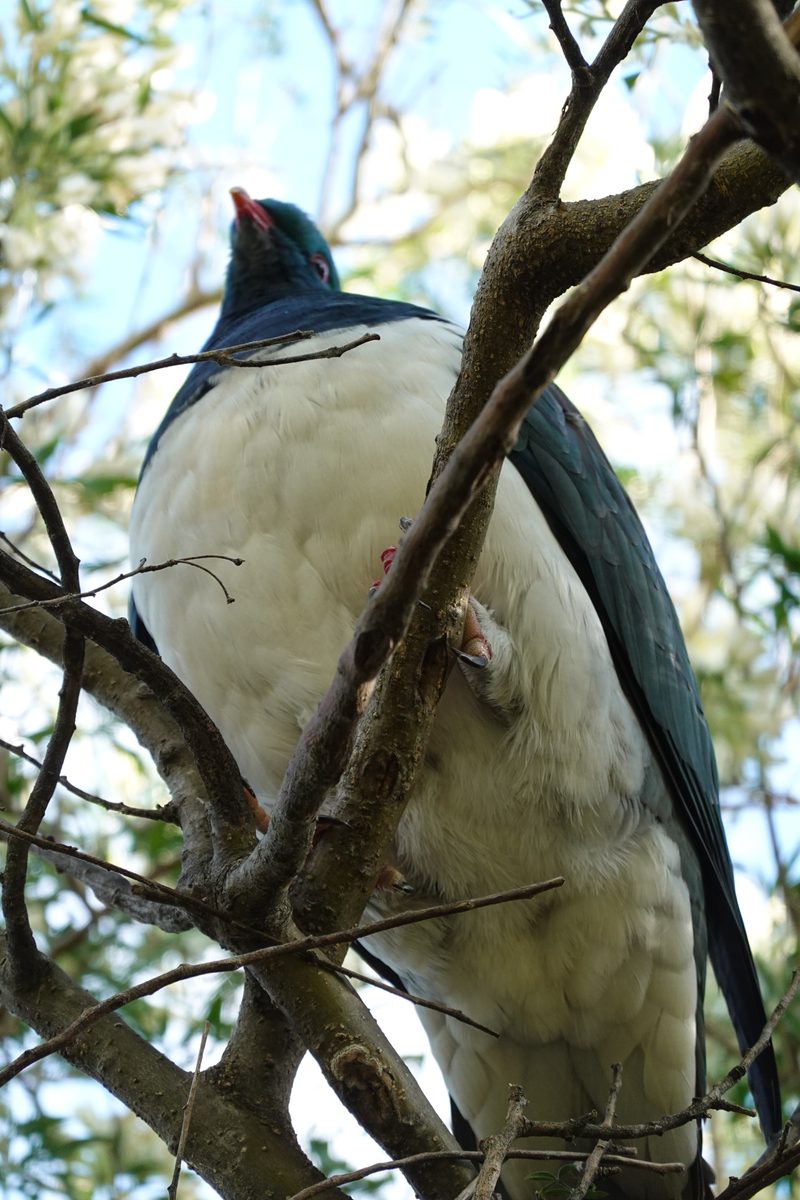
The volunteer humans were tolerated by a pair of plump kererū.
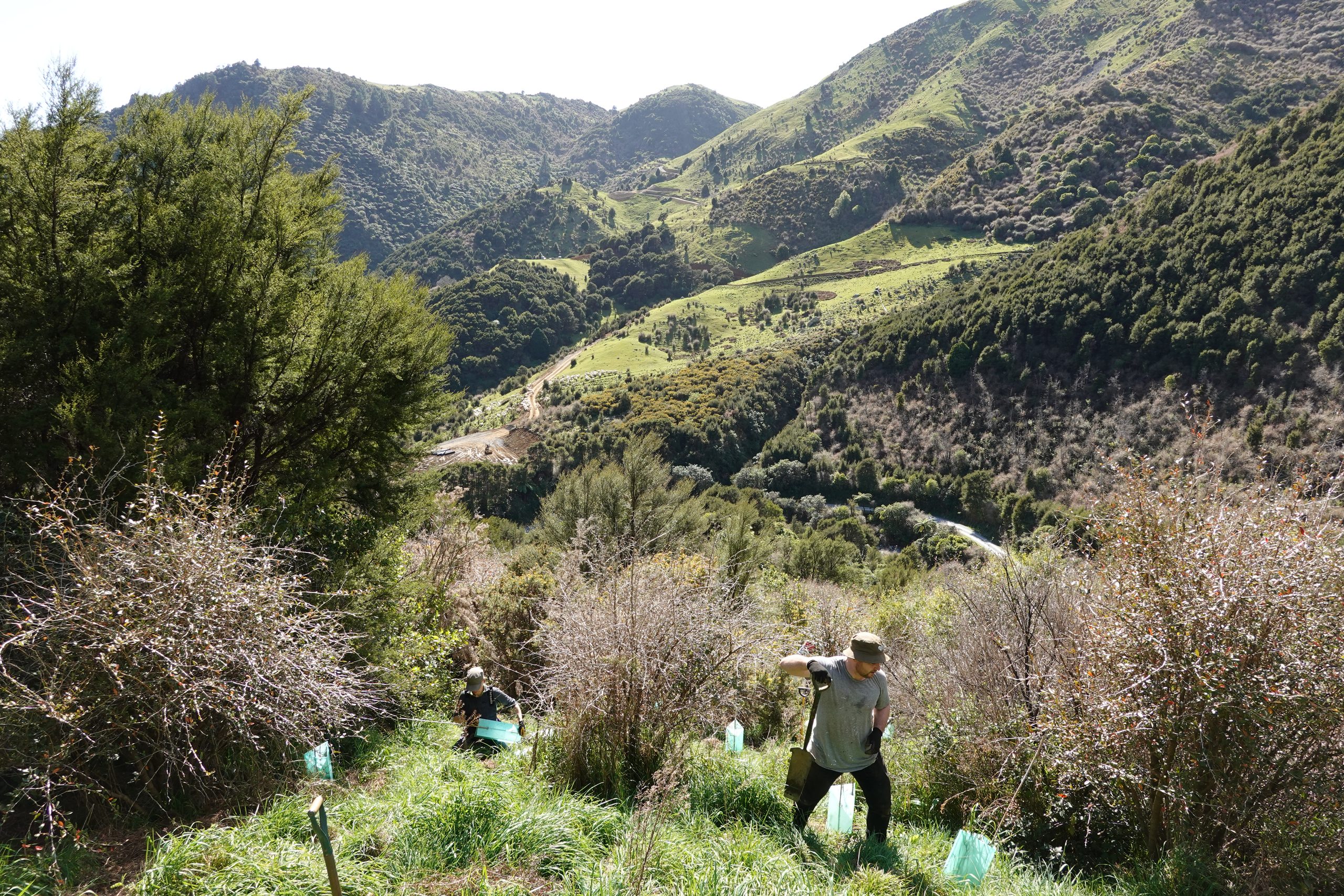
We also infill planted along The Odyssey track. Only another 100 trees went in on this site this year! The trees we planted last year were growing well if they had just a little bit of shelter. So we have focused our plantings around manuka or barberry, even though that means we may have to do some releasing for a few years.

The plant guards protect the trees and make them easy to find over the next few years, when they may need to be released from weeds.
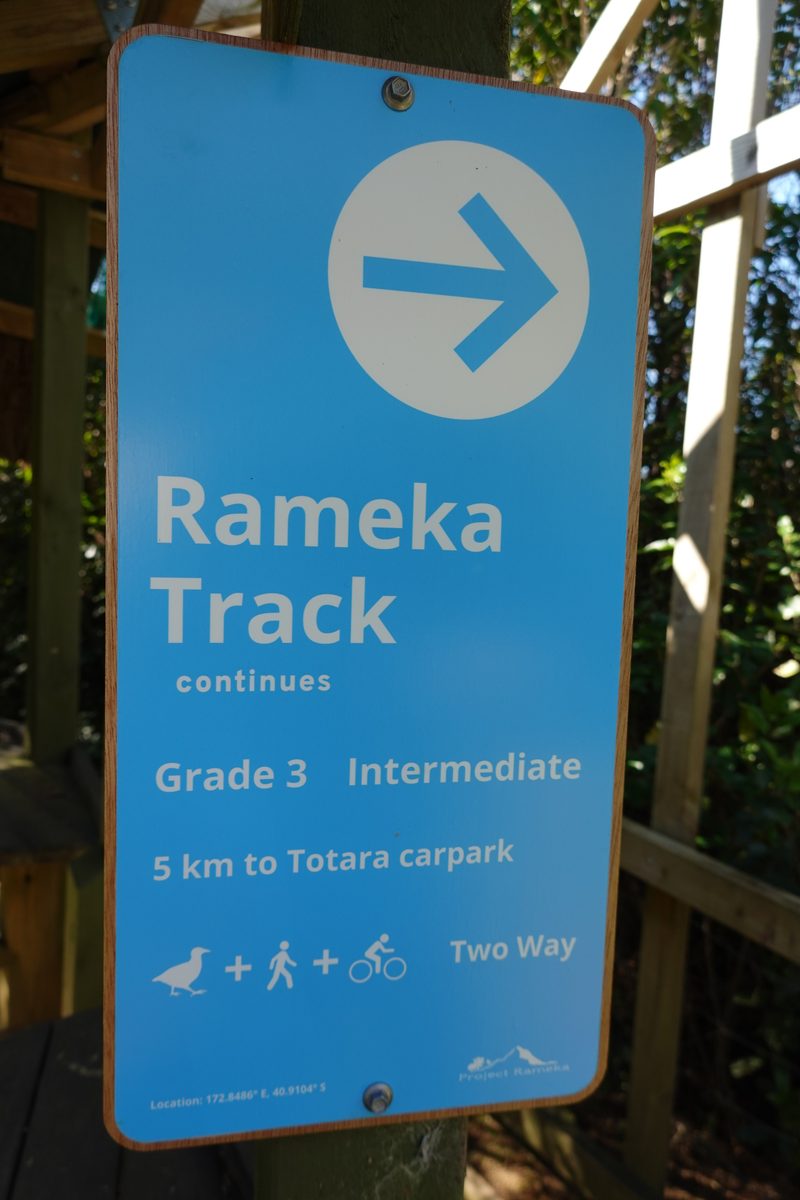
We also installed a dozen new signs at Rameka this week. These will help people find their way around/through the 93-hectare project. Normally these signs are made from ‘forever materials’ such as ACM (aluminium and a polyethylene plastic core). We asked the sign company to print our signs on marine plywood instead. This material may only last 30 years, but in our experience, wayfinding signs usually need to be changed within a few decades anyway, so why use materials that will hang around forever?
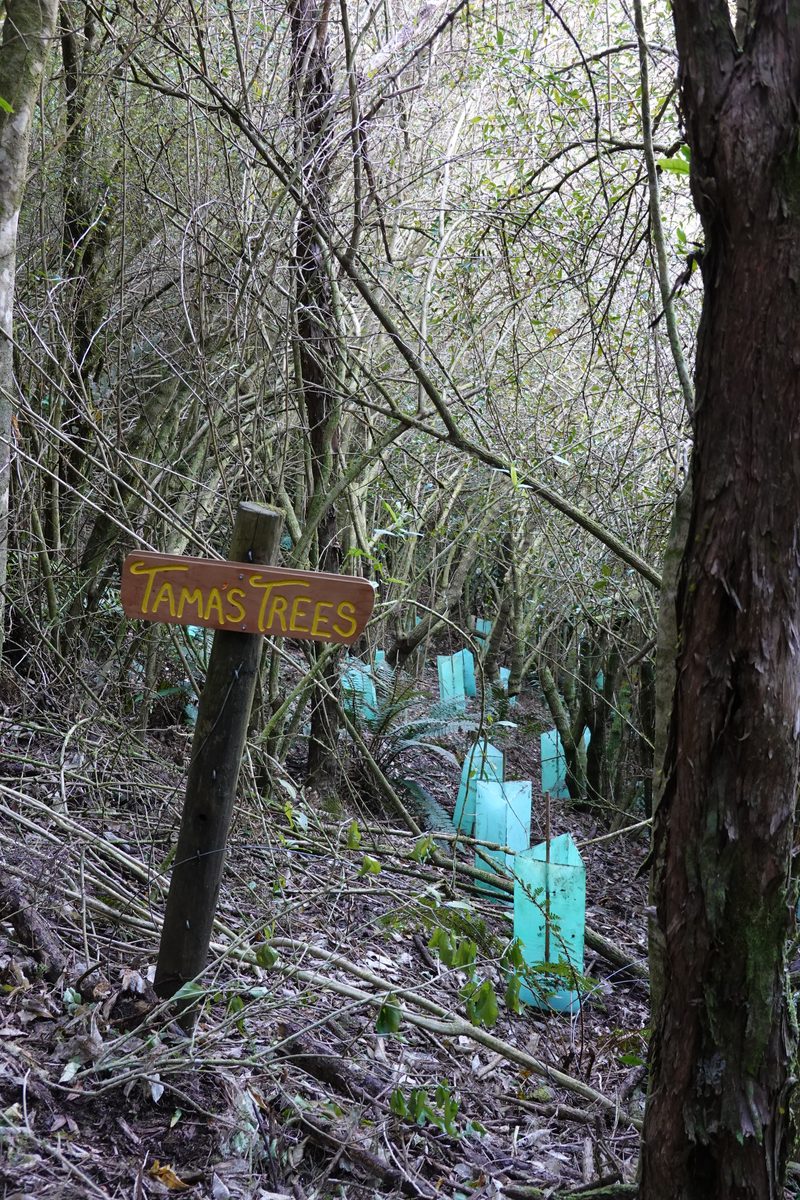
Jonathan routered this sign on an old bit of matai floorboard to acknowledge the generousity of Tama Easton (owner of website design company Upshift and long-time mountainbiker) in donating 500 trees to Rameka this year, and he plans to do the same again next year. Thanks Tama! Your legacy will last for generations (not so sure about the sign though).
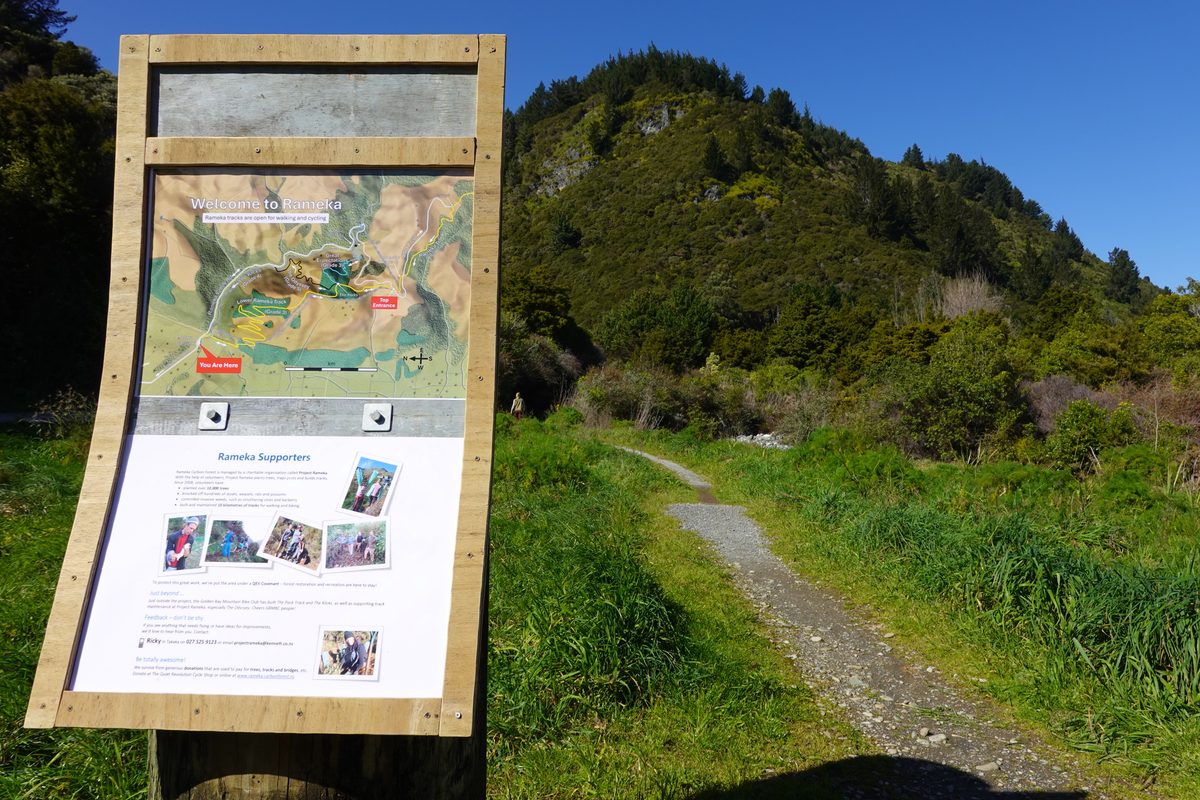
And we popped up a temporary map board at the Totara carpark. This will be replaced by a permanent sign when we have time. So much to do at Project Rameka!
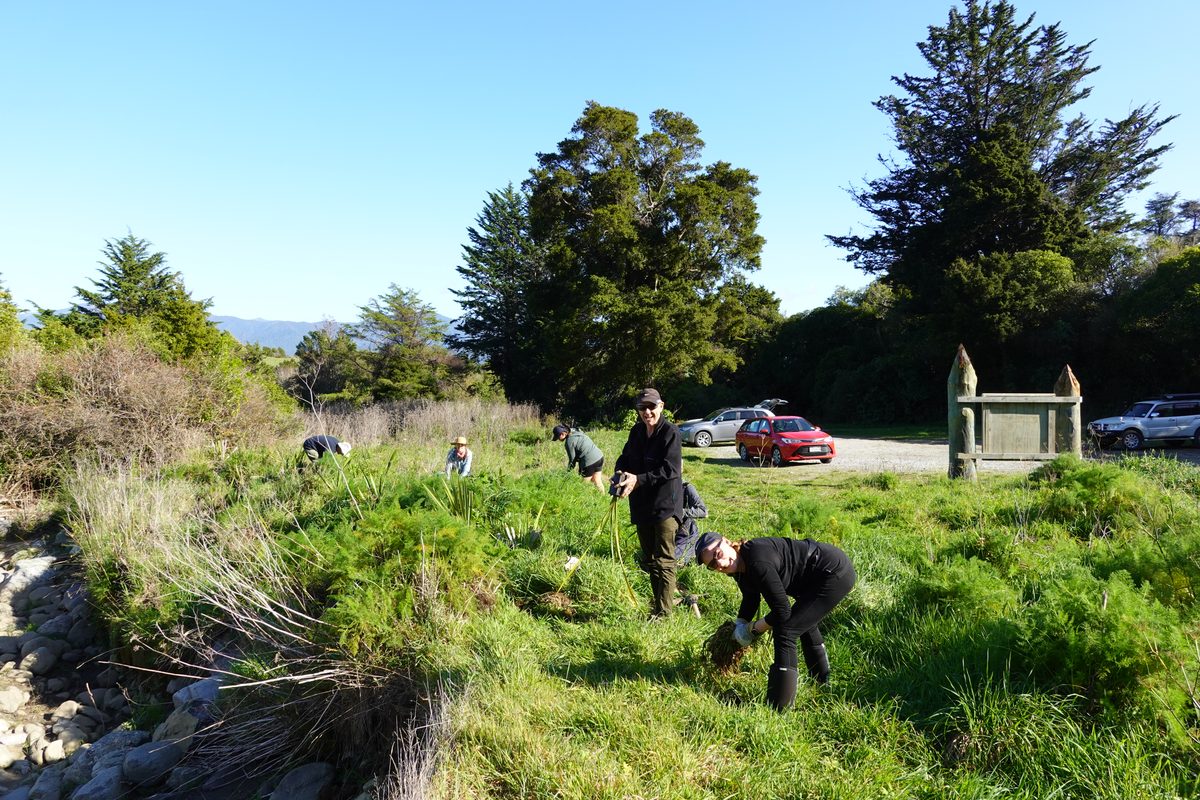
We also planted 50 flax at the Totara carpark. It was great that first-timers to Project Rameka, Phil and Sue, were able to come along and help out that morning.

Thanks to everyone who came along this year for an hour, a day, two, three or more! None of this would be possible without the community of willing volunteers who care for the land and forest at Rameka.
An ANZAC trip to Rameka, 2026

The crew spent a hugely successful week at Project Rameka, looking after the tracks and trees.

The weather was perfect and we managed to have three track work parties, and released hundreds of trees from faster growing invasive weeds.

The captions tell the story of who was there, what they did, and a few of the locals are mentioned as well.

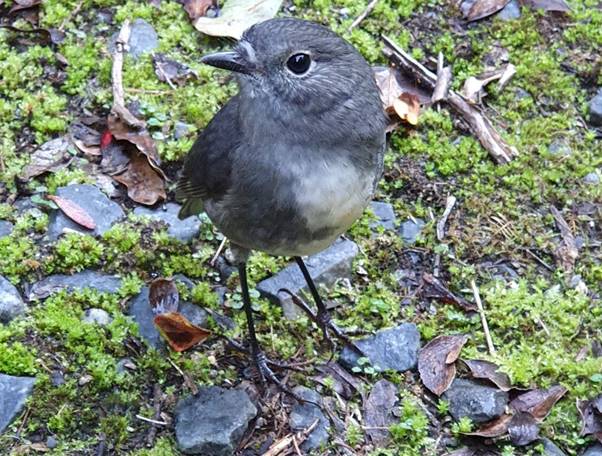
There are more birds than we’ve ever seen at Project Rameka. Robins (see above), tomtits, weka, tui, bellbirds, kererū, kea, ruru and even a kārearea (New Zealand falcon) looking for lunch. A student from Golden Bay High School has even spotted pīpipi / brown creepers at Rameka for the first time this year.

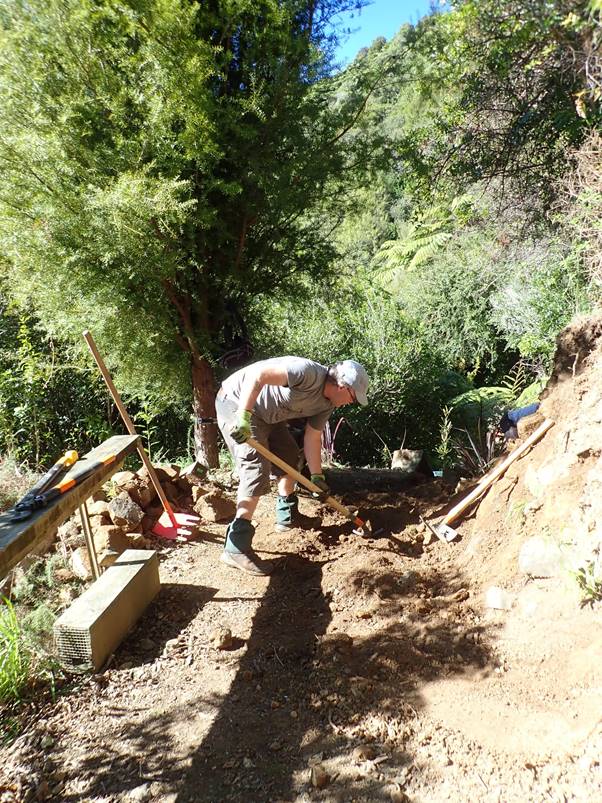
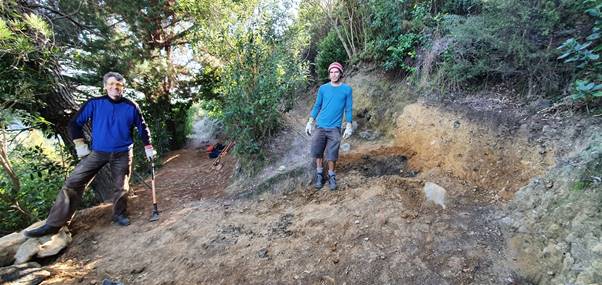
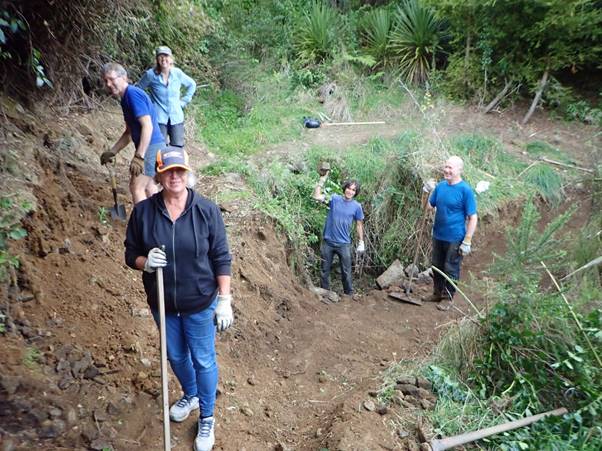
Volunteers realigning a dangerous section of Great Expectations track that was flagged in a trail audit. The diggers on this section were Bronwen Wall, Ricky and Corina Ward, Grant Fraser, Richard Mansfield and Jonathan Kennett.

Steve, Johno and Chris from Golden Bay Mountain Bike Club did a great job or reducing the gradient of a steep section of track near the bottom of Great Expectations. This makes it easier to walk and bike.

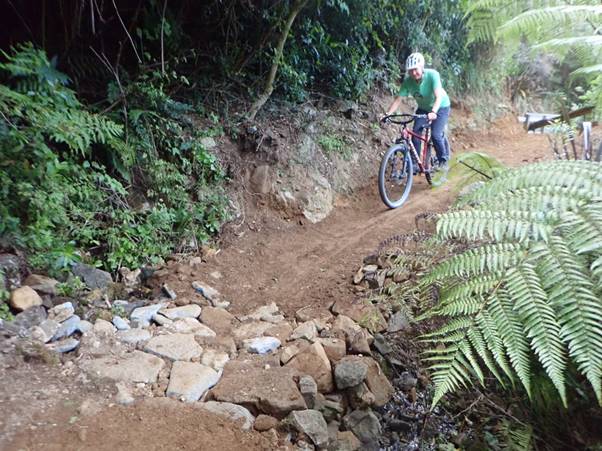
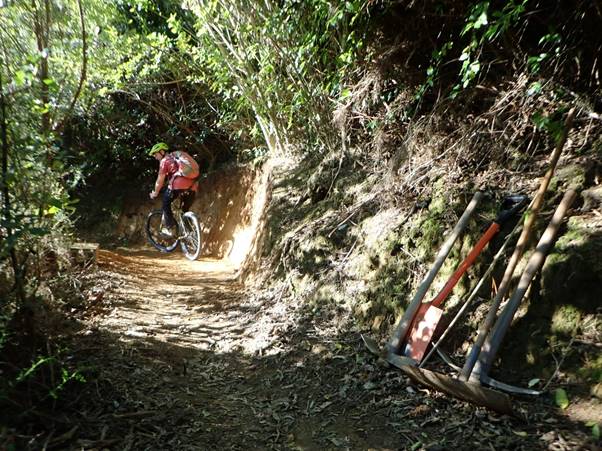
Alison Couldrey test rides the upgraded section on Great Expectations. Great rock work by Johno!

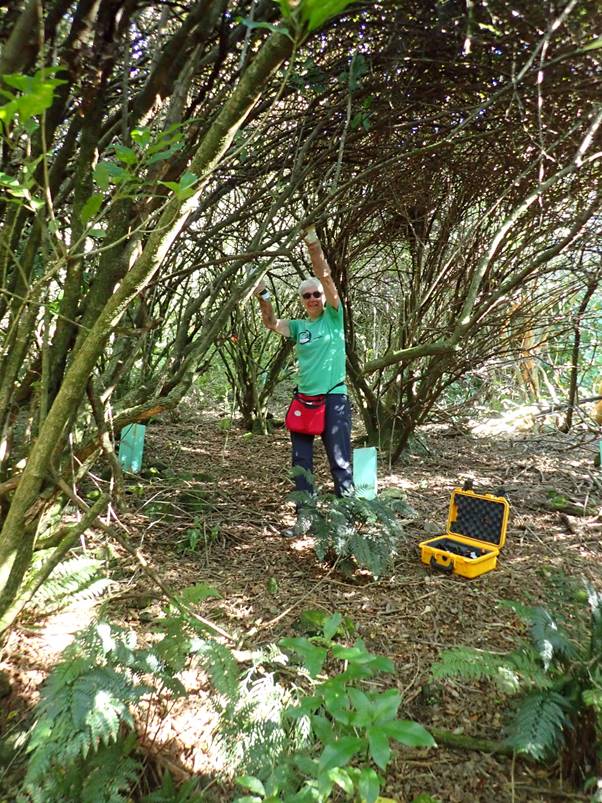
Here, Alison Couldrey is creating more light for planted trees where the barberry has created a dominant canopy and very little else is growing. Now that we have planted out all the pasture at Project Rameka, our attention is focused on dealing to the barberry, which is a tough, prickly introduced shrub that grows about 4m tall.

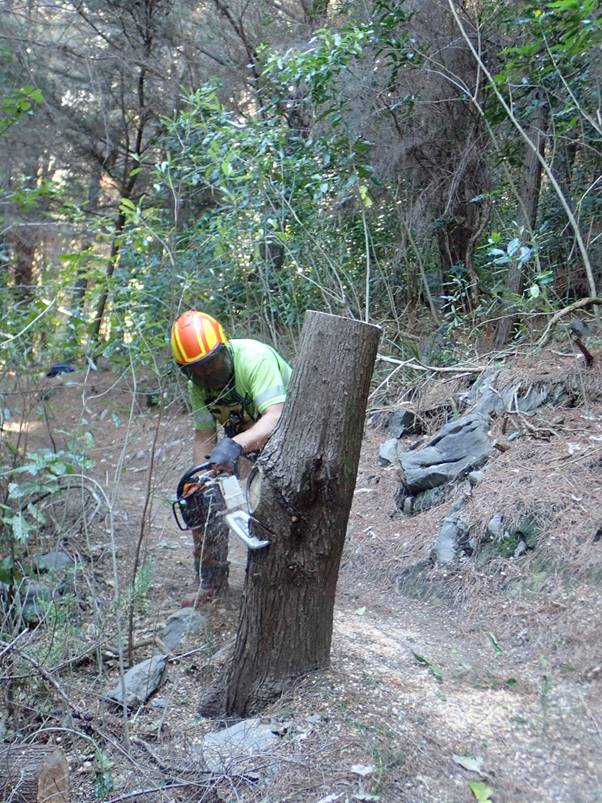
One of the responsibilities that comes with having tracks through tall trees is ensuring public safety. So, once a year, we have a forestry expert (Erik Wardrop) come and check for any dangerous trees that may fall on the track.

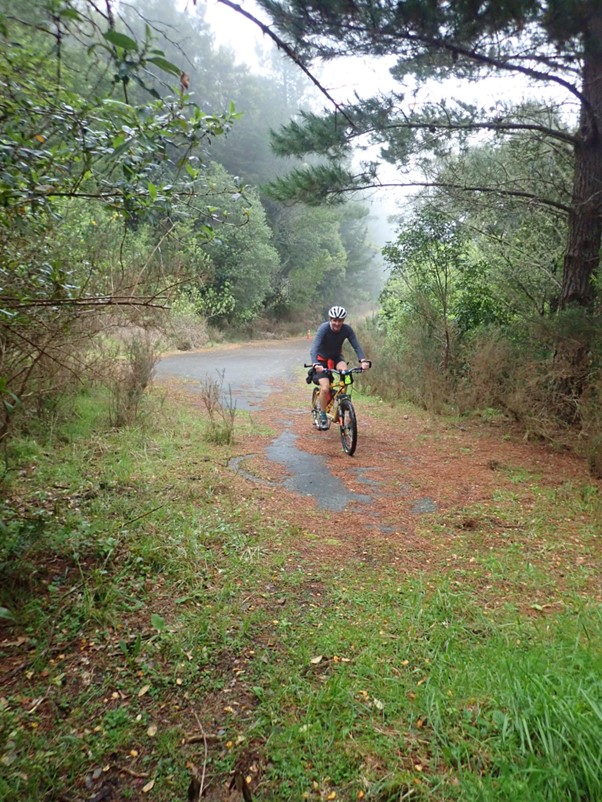
Grant from Nelson test rides switchback 7 on the lower Rameka Track. Alison, Grant and Jonathan increased the radius so that it met the New Zealand Trail Guidelines for grade 3 (intermediate). This is part of our work to improve the accessibility of this track so more people can enjoy it.

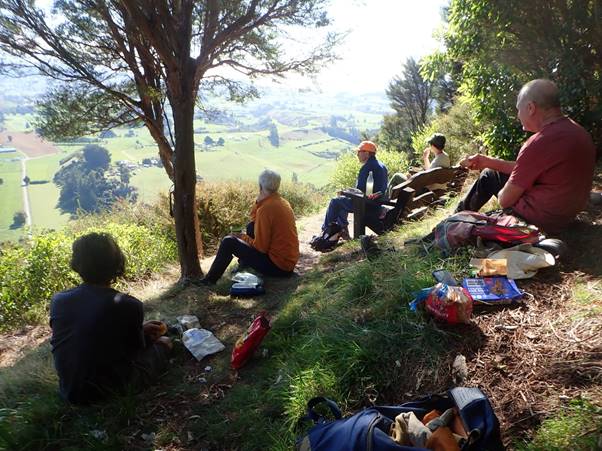
Lunch break at Martin’s Lookout, beside the lower Rameka Track.

Richard Mansfield, Nicole Benkert, Robyn Glendinning and Ricky Ward, resting after upgrading switchback 9 on the lower Rameka Track.

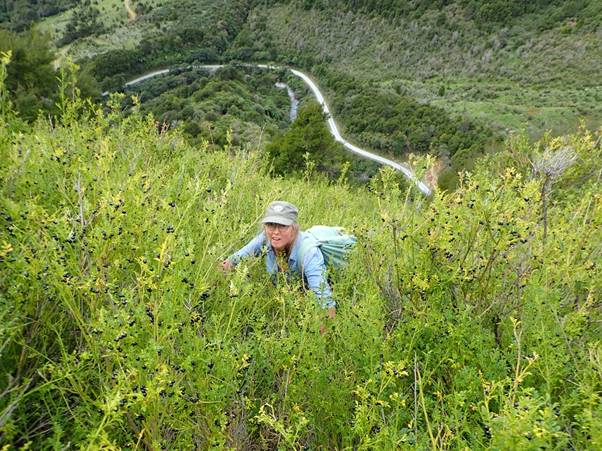
Italian jasmine has become a problem throughout Golden Bay. Unfortunately it is tolerant to both light and shade.
Here Bronwen Wall is bashing through an area that was grass 10 years ago. Hopefully, it will act as a nursery and native trees will grow up through it.

Jonathan and Richard were pretty stoked to have moved a big boulder out of switchback 8, on lower Rameka Track. Another few hours with six people, and this would become a grade 3 corner at Project Rameka.

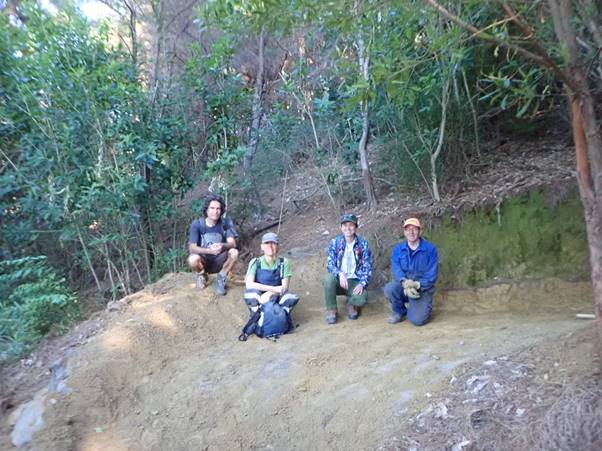
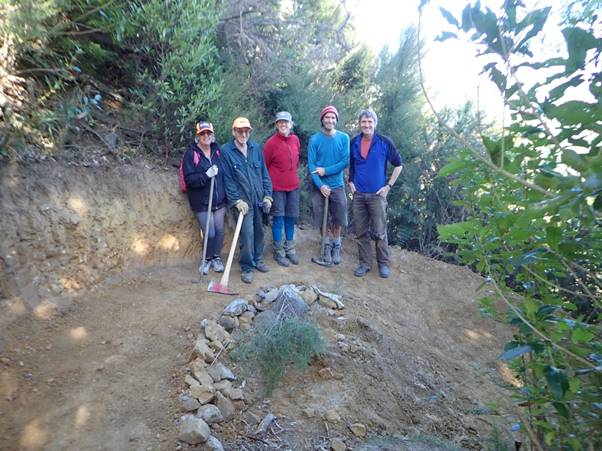
Corina, Ricky, Bronnie, Richard and Jonathan, happy with their work on switchback 8, lower Rameka Track. It is now a whole lot easier to ride and meets grade 3 standards.

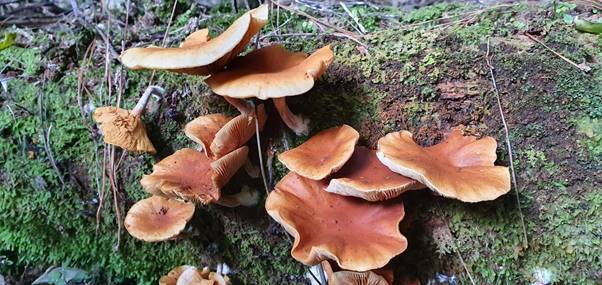
Mushrooms of an unknown species growing on the side of a pine tree that was dropped 10years ago at Rameka. We also did quite a bit of weeding around previously planted trees on this trip, following on from the great tree releasing that locals Karen LeSeuer, Kerry Gentleman and Emma Lay had done.

The trees are mostly doing very well, but we did have some losses in a small exposed area beside The Odyssey and under dense barberry. We will return to those areas with different species later this year, and will also attack the barberry!  

The next big work party will be Sunday 30 August. We have 600 native trees to plant. All welcome.

Those pesky pests

Under the energetic leadership of Tony LeSueur, supported by several keen stalwarts, trapping at Project Rameka went from strength to strength in 2025.

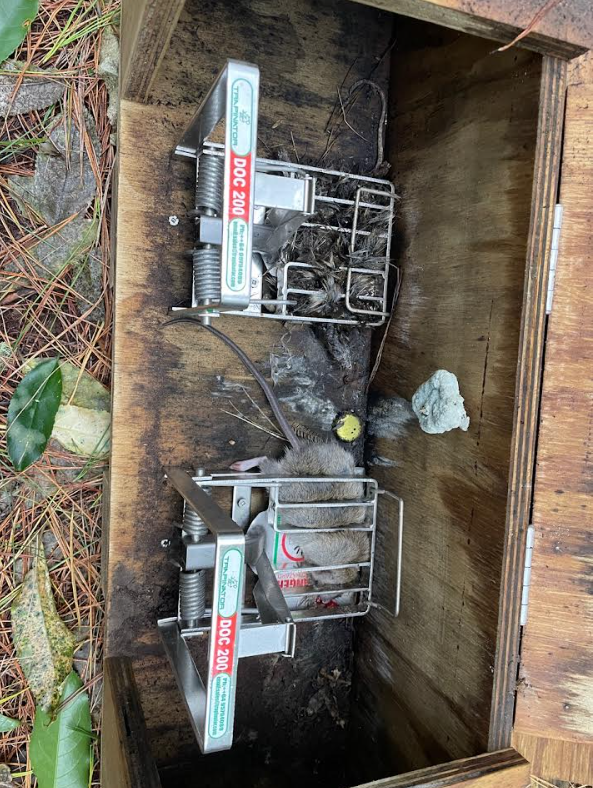
Tony has been steadily replacing old traps with new double traps, which he is building himself. These are essentially two traps in one long box. The first kill acts as irresistible bait, and so these traps catch more than any single trap ever could.

A double trap in action, with two dead rats

Rameka is now catching more rats and stoats than any other trapping group in Golden Bay. Over 365 days, there were 389 catches at Rameka, 212 catches at the nearby Paines Ford, and 69 catches at Motupipi Hill. This would not have been possible without Tony’s new double traps.

Every time the traps are cleared, trappers email in a report of what has been caught, and the report often includes mention of the birdlife they have seen, which includes, tomtits, robins, bellbirds and weka.

The double traps have been paid for partly from the sale of carbon credits but mostly from generous donations, in particular from Martin Dowse who funded $5,000 of materials for new traps. Tony then volunteers his time to build the traps.

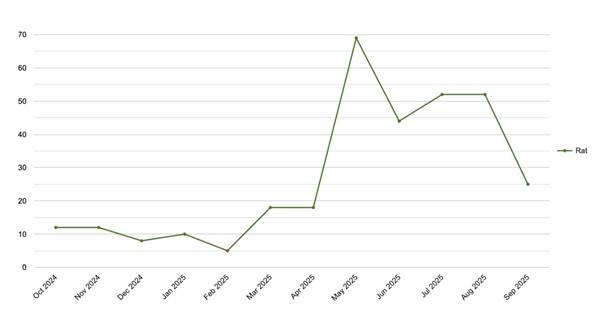
The main pest we are catching is rats. Here is what the numbers look like from October 2024 to September 2025.

In 2025, a total of 338 rats were caught, and 15 stoats/weasels.

At the time of writing, Tony was busy building another 10 double traps. These traps will be deployed on out eastern boundary in the near future.

Looking further ahead, another 11 traps are reaching the end of their life, and if we can raise enough funds, they will be replaced with brand new double traps in 2026. Each double traps costs $180–$200.

If you would like to support this trapping, you could donate to Project Rameka, at: https://rameka.carbonforest.nz/support-us/

A wild Labour weekend trip to Rameka for 2025

One way to dodge a storm is to get up really early before it hits, ride a tandem on old highways, even if it is only for 20 minutes and pedal your hearts out to beat it over the ranges between Picton and Nelson.
Yep, Jonathan and Bronnie were on their way to Rameka from Wellington, trying to dodge an epic storm that took out power in Rai Valley and Havelock. There was actually only one really scary bit heading up to Rai Saddle when the wind funnelled down a side gully and threatened to push the tandem down a bluff. Thank goodness for roadside barriers is all this scribe can say!

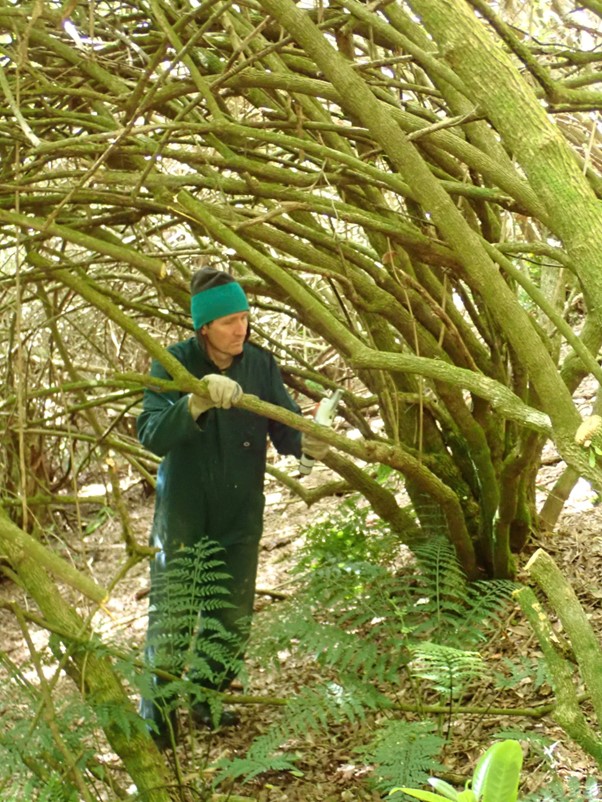
The next battle took place a day later against the barberry at Rameka. A new technique on this plot is to see what happens if we cut 70% of the stems and leave them in situ. We’re hoping the shade levels will change slowly in the native seedlings favour.

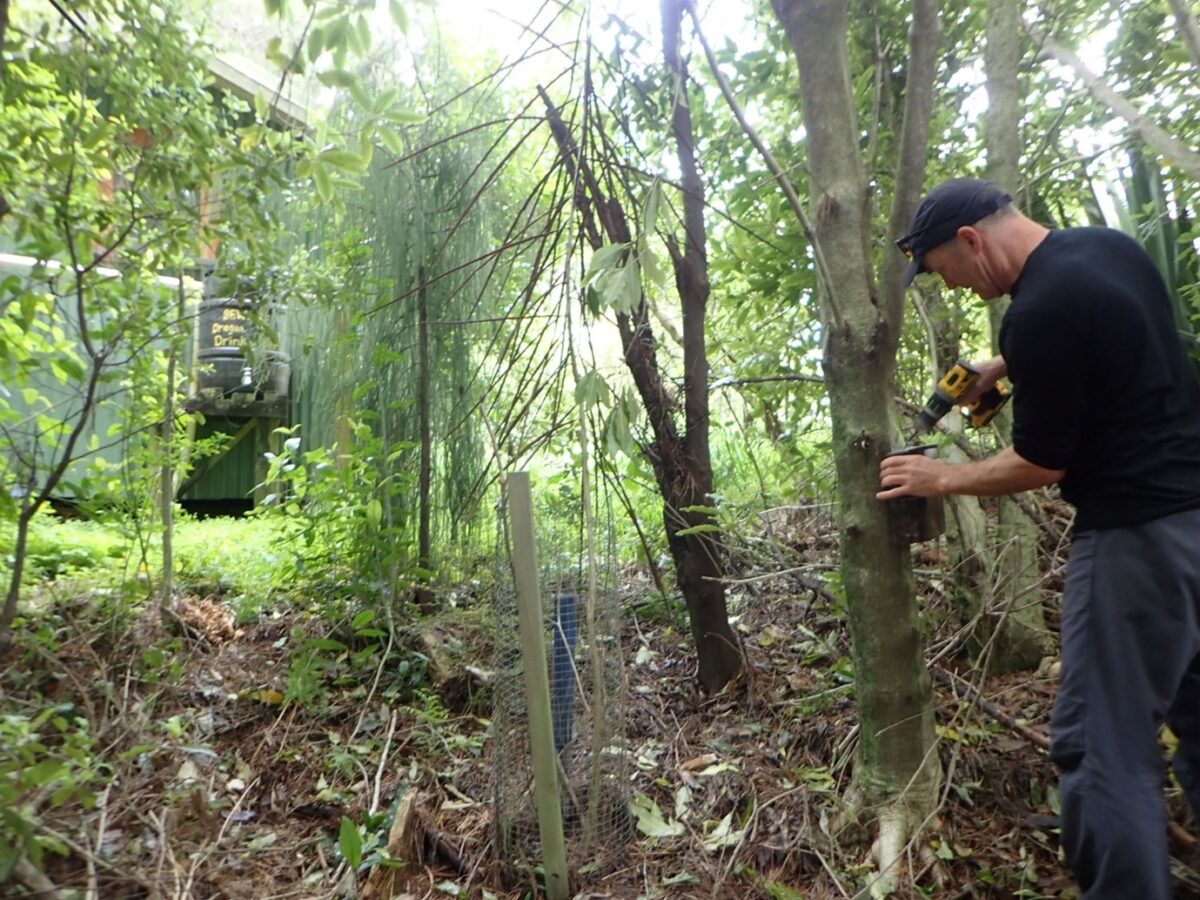
A final act before heading back to Nelson, saw Murray install one of his handmade weta hotels – photos will follow when guests have booked in.

September tree planting at Rameka, 2025

It was a busy ole week at Rameka at the start of September, with a bunch of keen Wellingtonians joined by some equally sharp Nelsonites and a sprinkle of Canterbrians putting in the good yards.

A lot was done to restore nature and then enjoy some time with it before re-entering the ‘real world’ (sigh).

The hardest part was carrying in plants and tools to the chosen planting site across the stream and up the Odyssey.
Andrew Scott and Grant Fraser follow Charlie across the stream with a barrow load of plants. They make it look easy, but rest assured, it was no mean feat.
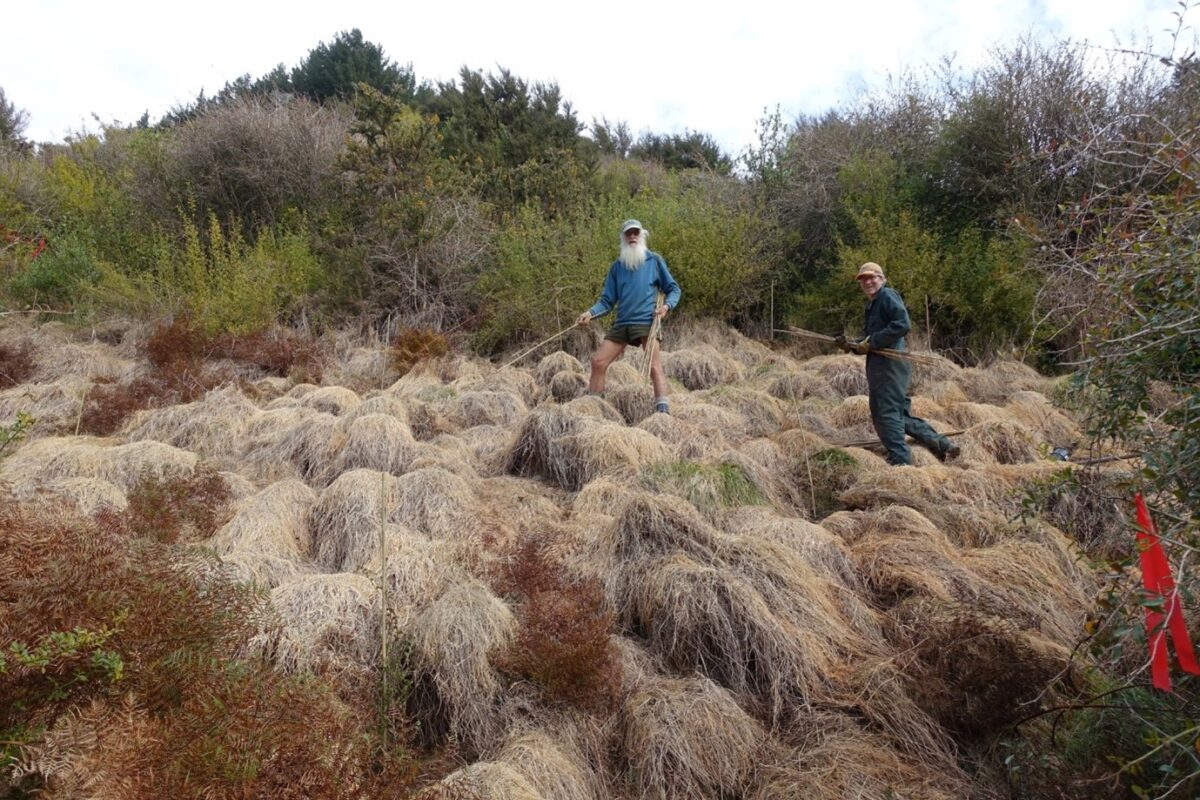
Paul Kilgour and Ricky Ward stake the seedlings planted between huge clumps of dead grass.
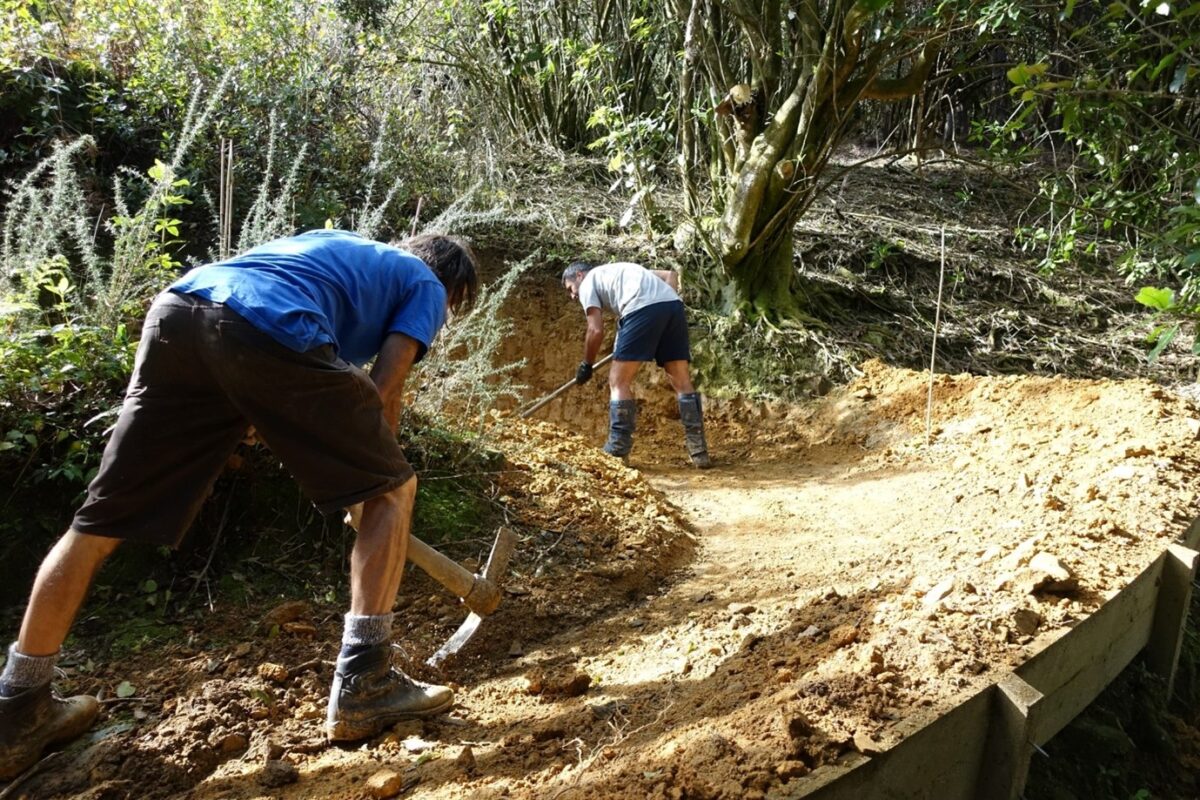
The base of the historic track required some TLC after a wicked storm earlier in winter had dropped about 16 pine trees across it. The fallen limbs were diced and dragged out of the way, and their root balls have become a series of dippers, meanwhile, Richard and Tony started working on widening some tight switchbacks. And before you knew it, the track was beginning to flow again.

And then it was onto the barberry.

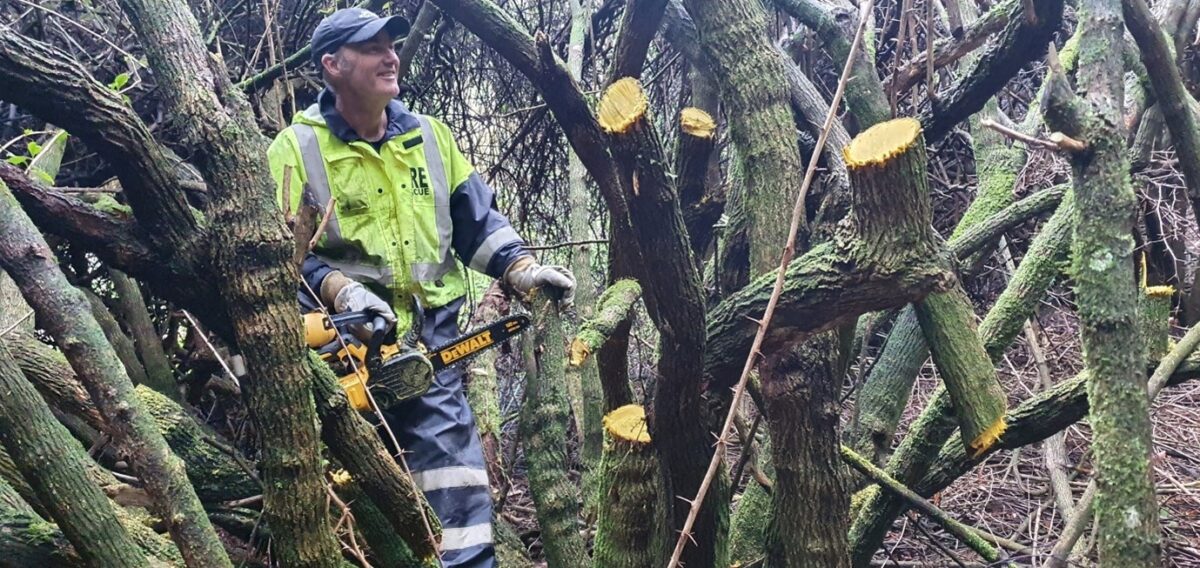
Murray cutting back barberry at last year’s planting site. In all, we cut back around 50% of the barberry stems to let in more light. Very satisfying.
  • 5 switchbacks were increased to 2.5 metre radius.
  • 400 climax species were planted.
  • 2,000 barberry stems cut.
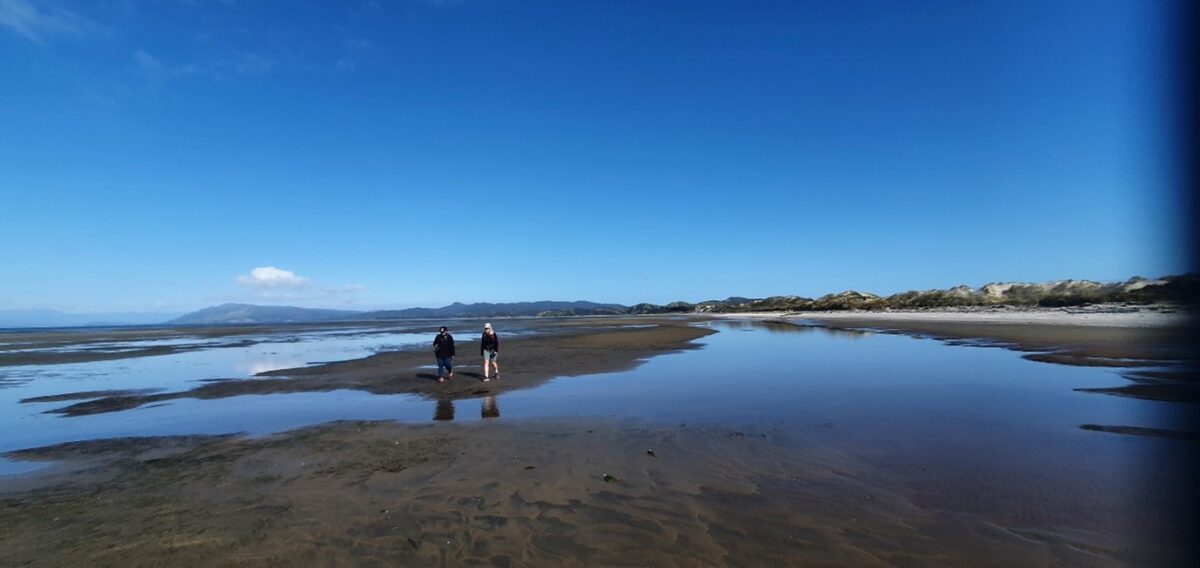
  • 1 Farewell Spit was walked.

Thanks to Andrew, Alison, Bronnie, Charlie, Corrine, Fiona, Grant, Jonathan, Karen, Marie, Murray, Nicole, Paul, Richard, Ricky, Tony, Vicky and whoever we missed.

Rameka is looking better than ever. The trees are thriving, and the tracks are going to be great once they have dried out from winter.

Thanks everyone for all the help keeping Rameka a vibrant destination.